


September–October 2026
I spent two weeks traveling alone in northern Vietnam, taking my time and planning as I went. I wanted to see another world, meet people, and enjoy myself. Preferably with air-conditioning and without packing my trolley every morning.
My first solo backpacking trip was to China in 1994. This time, with a few more years, I was happy to leave some of the backpacking hardships behind. I met travelers moving every two days, determined to cover the whole country. I chose to explore less and stay longer.
Vietnam felt to me like a cross between Thailand and China: friendly, affordable, well organized, and easy to travel around as a solo female traveler.
One of the things I like about traveling solo is that I meet more people than when I travel with company. Along the way, I met people from Spain, the Netherlands, Myanmar, India, China, Australia, Ireland, Tunisia, Russia, South Korea, Hungary, Israel, the UK, Germany, and Poland. The conversations and company became part of the trip, alongside the places I had come to see.
Planning a Two-Week Trip to Northern Vietnam
I kept my itinerary flexible, booking a few days ahead and staying longer where I liked it. The weather helped make some decisions. After a few days in the heat of Hanoi and Tam Coc, I headed for the cooler mountains of Sapa. There’s only so much sightseeing I can enjoy while sweating buckets.
Getting around northern Vietnam was surprisingly easy. There is a tour for practically everything, usually at an affordable price, with air-conditioned transport and hotel pickups. I never saw the central bus station and felt no need to correct that omission.
You can book through hotels, hostels, street travel agencies, or online. I used Viator and met people who had booked through Airbnb Experiences. We often ended up on the same tours anyway, picking up passengers from hotels around town.
Safety as a Solo Female Traveler in Vietnam
I felt very safe traveling alone in Vietnam. Nobody bothered me or tried to cheat me, even while I was figuring out banknotes in hundreds of thousands and millions of dong.
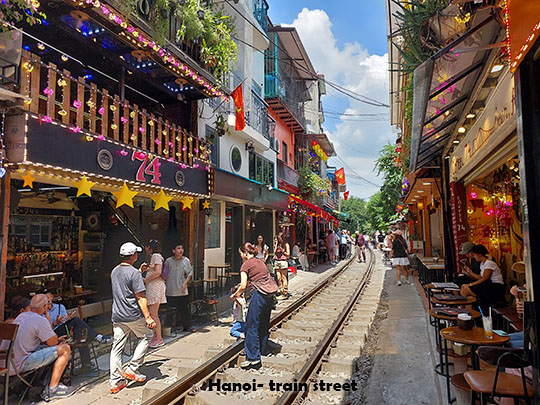
Crossing the road in Hanoi was another matter. Eventually, I started asking locals for help, and they happily walked across with me. The idea is to walk steadily while the scooters swerve around you. I understood the theory. I still preferred having a local beside me.
All Those Red Flags
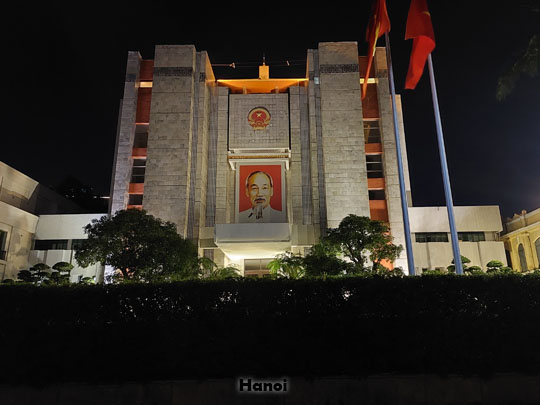
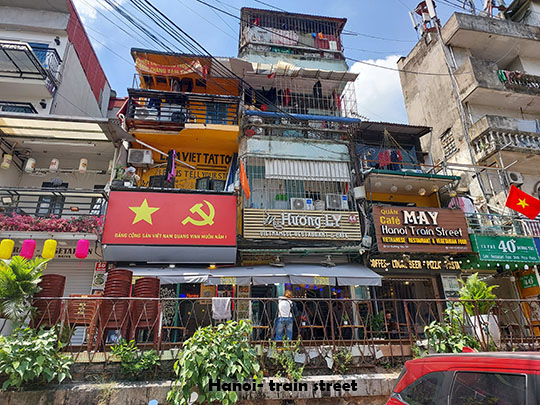
I hadn’t expected so many communist flags. The hammer and sickle were everywhere. As someone whose parents barely escaped the Soviet regime, I initially found it disconcerting. I don’t remember seeing so many even in Moscow. After a few days, though, they felt more like an expression of national pride, and I stopped minding them. Despite all the communist symbols, daily life felt thoroughly capitalist, with shops, cafés, and small businesses everywhere.
Locals I spoke with described a semi-communist society, telling me that schooling was free until high school and that everyone was entitled to basic healthcare. Perhaps that helped explain something else I noticed: I didn’t see extreme poverty in the places I visited, either in the cities or in the countryside.
My Northern Vietnam Route
Hanoi → Cat Ba → Tam Coc → Sapa → Hanoi
Enough variety for two weeks, without spending half the trip getting to the next place.
Hanoi: Chaos with Character
Hanoi was hectic and fun, with scooters swirling around, tourists moving in herds, and daily life carrying on around all of us.
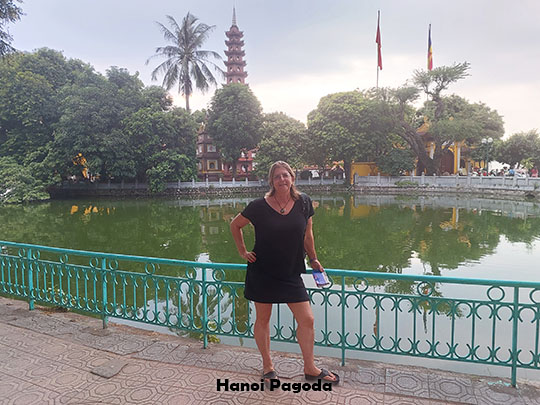
A useful starting point is Hoàn Kiếm Lake, with many of Hanoi’s main sights within walking distance or a short ride.
To the north is the Old Quarter, with its narrow streets, markets, shops, inexpensive foot massages, and nail salons.
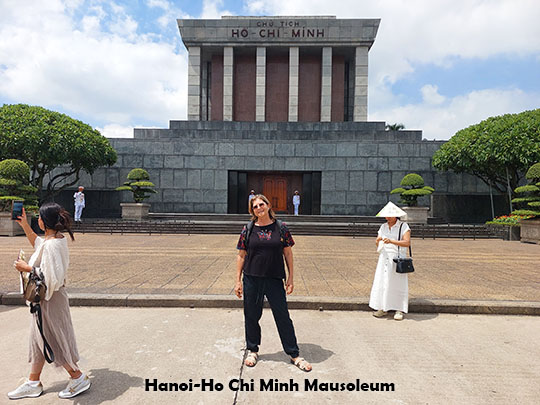
To the west are the Ho Chi Minh Mausoleum and the Temple of Literature. Depending on the heat and your enthusiasm, you can walk or take a ride.
Walking around the lake itself was lovely. Vietnamese couples strolled together, families spent time by the water, and tourists photographed everything.
South and east of the lake, the French Quarter has grand colonial buildings, wider streets, and traffic lights that people actually obey.
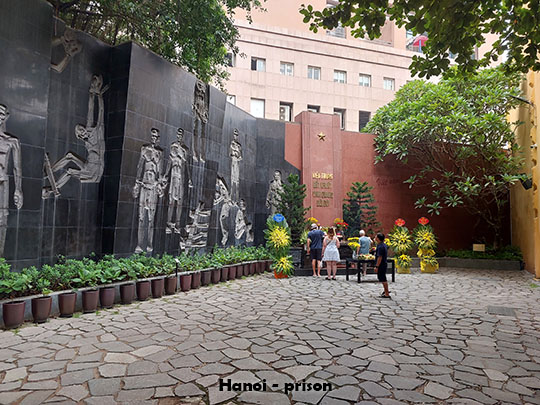
I also found Hỏa Lò Prison worth visiting. Vietnamese prisoners were held there under French colonial rule, and later American pilots during the Vietnam War. It offered a sobering glimpse into the tragedies this country has endured.
Ha Long Bay or Cat Ba?
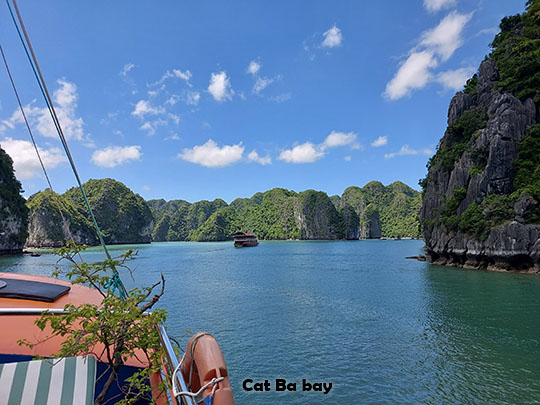
Those enormous limestone cliffs rising out of the sea, with jungle spilling down their sides, were the main reason I wanted to visit Vietnam. This was the world of Pandora from the movie Avatar, and I wanted to float around in it.
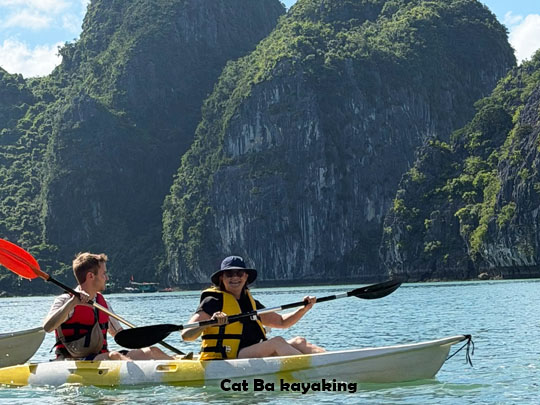
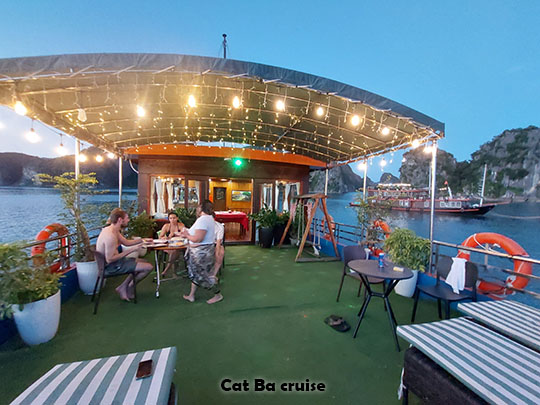
A friend who had spent a year in Vietnam recommended Cat Ba instead of the busier Ha Long Bay: the same unreal scenery, with fewer boats. I booked a two-day, one-night cruise with Sunlight tours, including kayaking, swimming, squid fishing, and a bicycle ride on the island. I didn’t regret it.
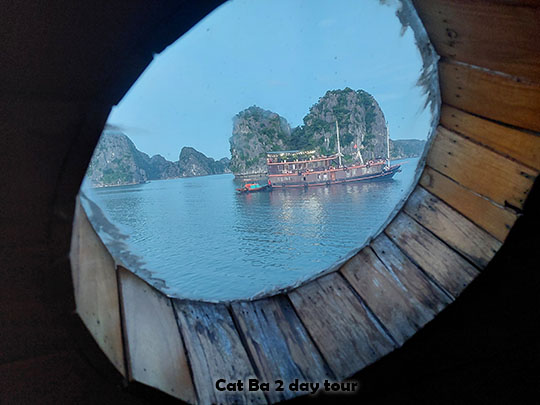
You can do a day trip from Hanoi, but with roughly three hours just to reach the boat, I would stay overnight. I had come for the bay and wanted time to enjoy it.
After lunch, we took out the kayaks. There were only six passengers on our boat, and we paddled from one little beach to the next, stopping to swim beneath the towering cliffs. It was so quiet that we could hear the sea eagles calling, their cries echoing between the rocks.
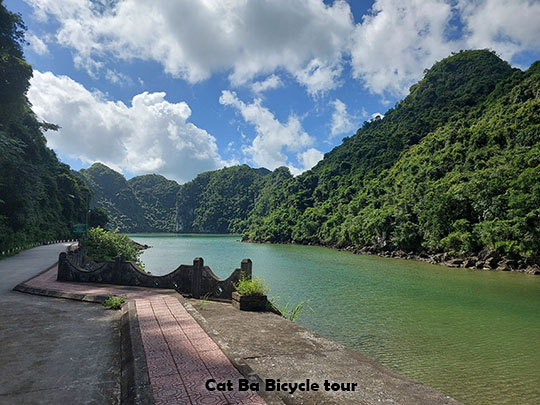
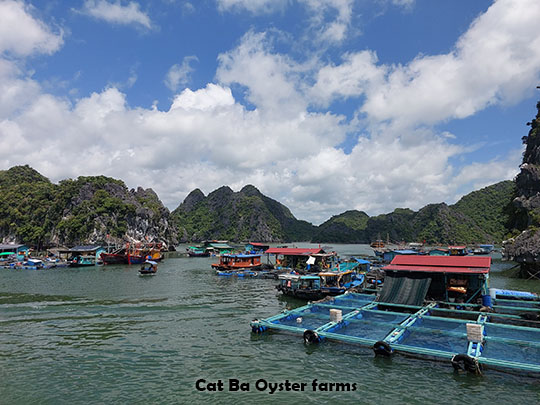
We passed oyster farms, then sailed deeper into the bay and jumped off the bow for another swim. The water was clear and that perfect temperature that makes you want to stay forever. I wondered if it was saltier, because floating felt easier than in any sea I’d ever swum in. Floating there beneath those jungle-covered cliffs, I knew I’d already found what I had come for.
Don’t Skip Tam Coc, If the Weather Cooperates
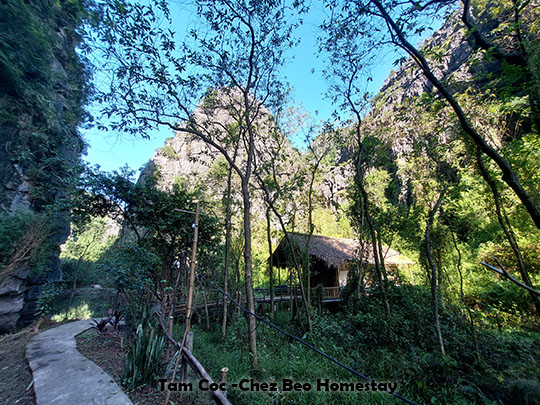
Before my tour began, I found Chez Beo Homestay, with lovely bungalows tucked into the jungle between limestone cliffs beside the water. The kind of place where you immediately imagine staying longer. If only it hadn’t been so hot.
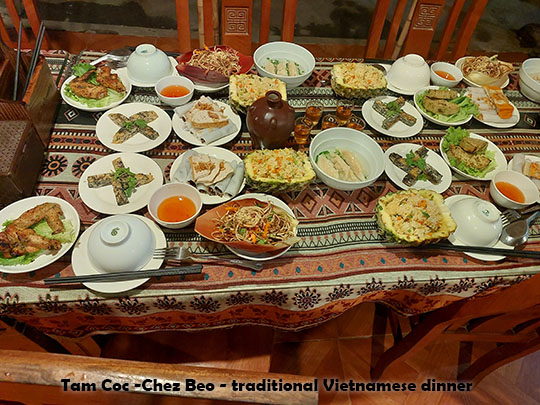
My two-day, one-night tour to Tam Coc included beautiful pagodas, two boat trips between limestone cliffs and lush greenery, including the area used in Kong: Skull Island, and a climb up Lying Dragon Mountain. Most of the boats were rowed by local women, who took us along the rivers through this extraordinary scenery.
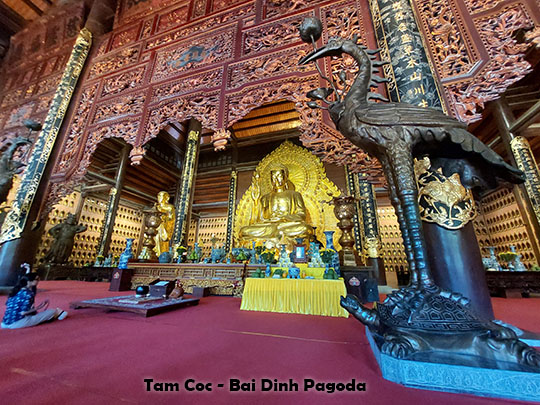
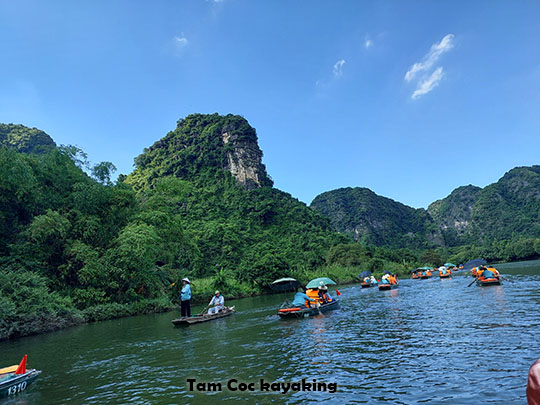
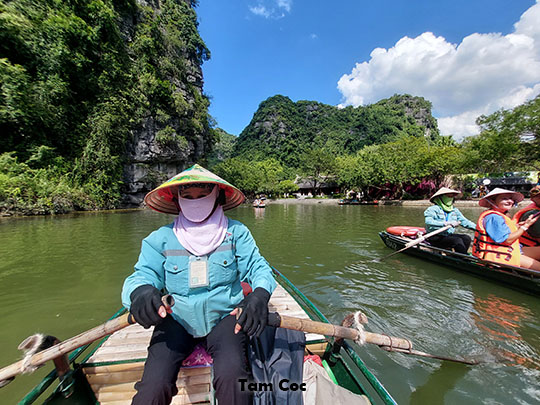
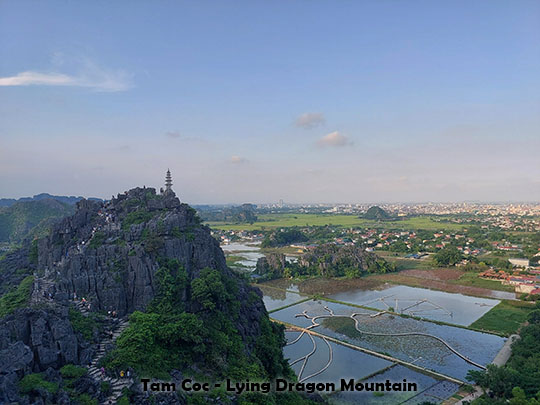
I wanted to go cycling too, but the heat and humidity wore me down. I waved my traditional handheld fan with all the energy I had left, without getting much cooler. I would happily have spent a few more days exploring Tam Coc, but I hadn’t come all that way to suffer.
So I headed for the cooler mountains of Sapa.
The Sleeper Bus to Sapa: Don’t Count on Sleeping
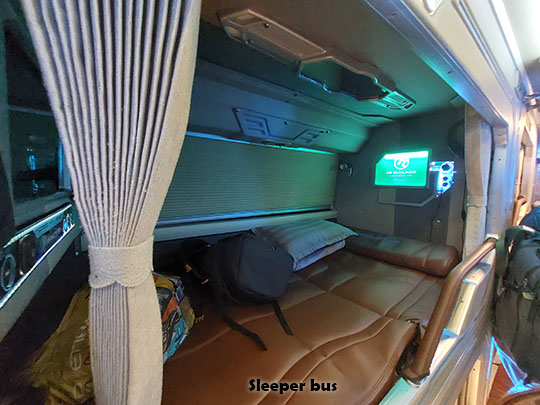
The night bus from Ninh Binh to Sapa seemed like a clever way to save a day: book a little sleeping compartment, close the curtain, and wake up in the mountains.
I paid extra for the sleeper and agreed to an upper compartment at the back. I settled in with my book, quite pleased with myself. Within minutes of setting off, I was being tossed around and fighting nausea, despite never usually getting motion sickness.
The advertised seven or eight hours became ten. Later, I asked every traveler I met who had taken a sleeper bus whether they had slept. Not one said yes.
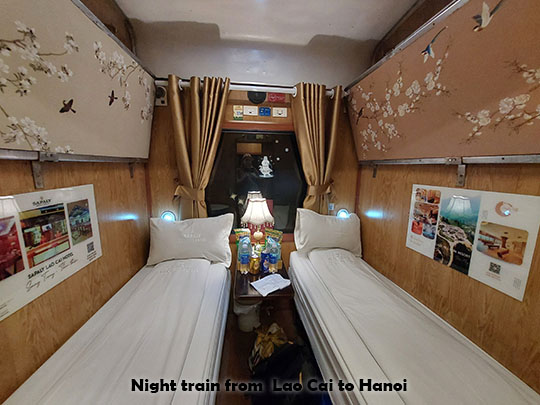
My tip: don’t assume “sleeper” means sleep, especially upstairs at the back. I decided my return to Hanoi would be in a private train cabin from Lao Cai, whatever it cost.
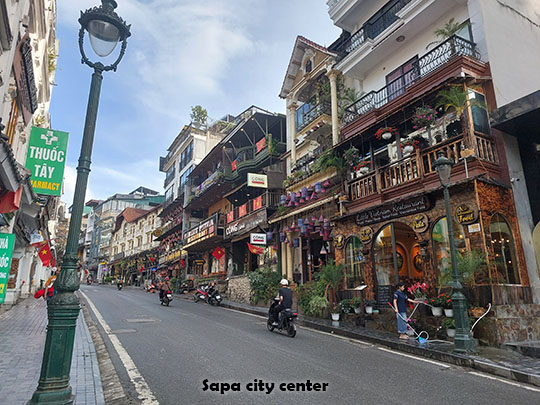
Sapa: Into the Countryside
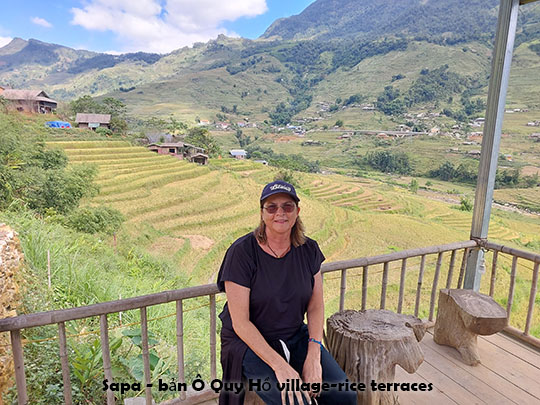
At around 25°C, Sapa felt wonderful. After a day recovering from the bus, I moved into the countryside of Muong Hoa Valley. At Sapa Farmer House, I could lie in my room and watch water buffalo wallowing in the flooded rice field outside my window.
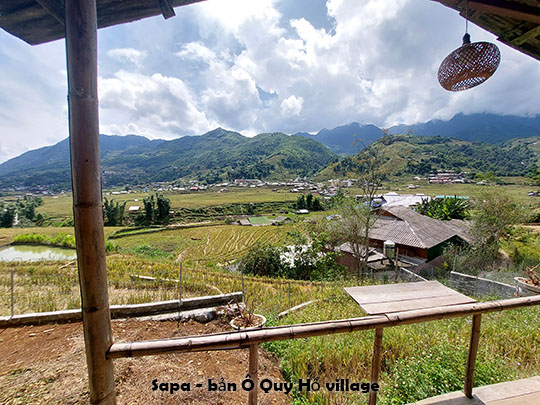
I spent the next few nights at MT House Sa Pa, which arranged my treks and tours. Lovely terrace, good coffee, but choose your room carefully: mine had no window.
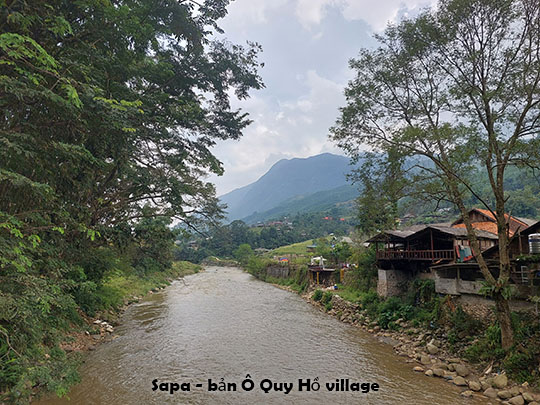
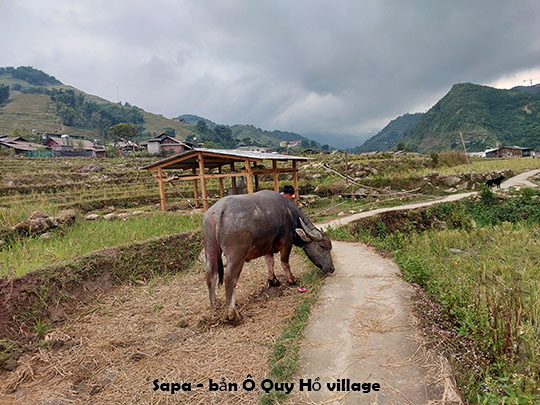
Walking around bản Ô Quy Hồ village, I watched women weaving hemp into cloth, with geese and buffalo around the houses. My guide showed me how they dye the fabric with indigo leaves. I rubbed some between my hands to try it. The blue stayed with me for days.
Everyone Has a Mama
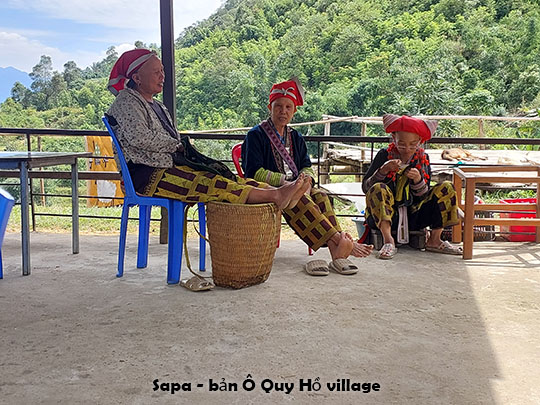
I had hoped to trek with Sapa Sisters, but ended up booking through my accommodation. A local “mama” arrived to guide me, and looking around, I realized that practically every tourist had a mama of their own.
During our six-hour trek, my guide, Lian, explained that men in her community worked in hotels, construction, or agriculture, while women took tourists walking or on motorcycle tours.
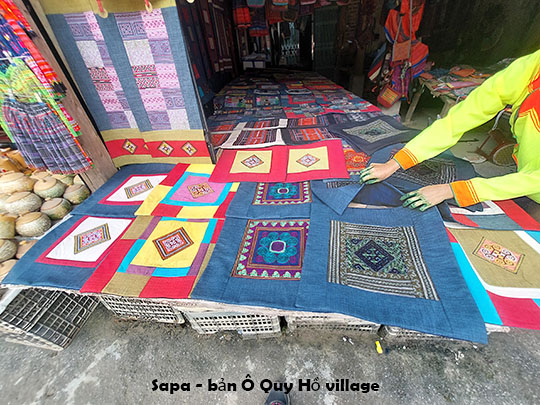
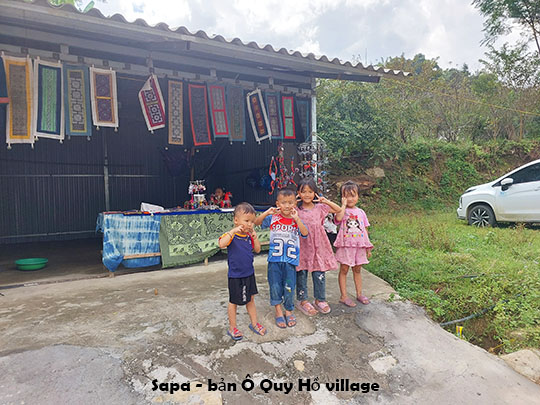
My motorcycle guide the next day was also a mama: a sweet 22-year-old with two children, aged six months and six years. Riding through the countryside behind her and hearing about her life was fascinating and made me appreciate my own.
Fansipan: Worth It?
Some travelers say Fansipan isn’t worth visiting on a cloudy day. I kept an eye on the forecast and waited for sunshine. For a place this special, it’s worth being patient.
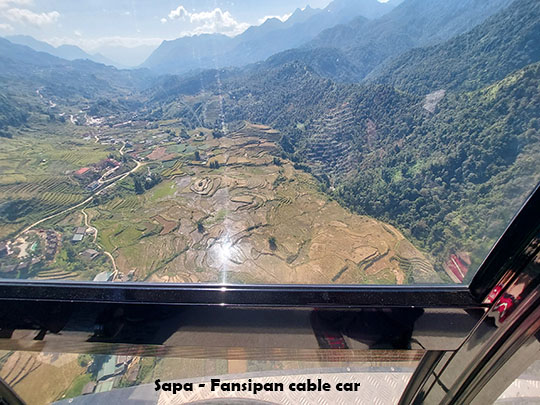
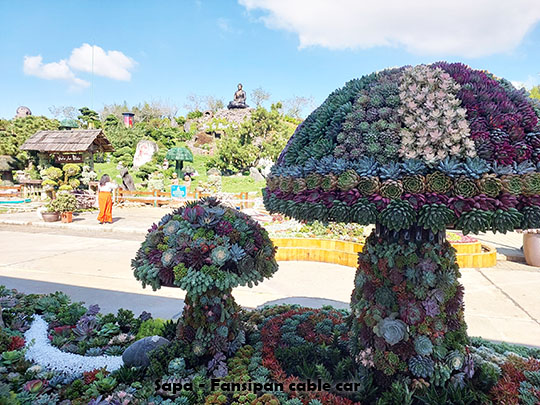
If you’re in central Sapa, you don’t need to book a tour. Just walk into Sapa Station at Sun Plaza. The moment you step inside, you enter a shiny, super-touristy Disney World, complete with Starbucks and McDonald’s. You board the Muong Hoa mountain train, then arrive at another landscaped Sun World complex with restaurants, shops, and street performers. Finally, the cable car carries you high above the jungle, swaying in the air as the landscape drops away beneath you.
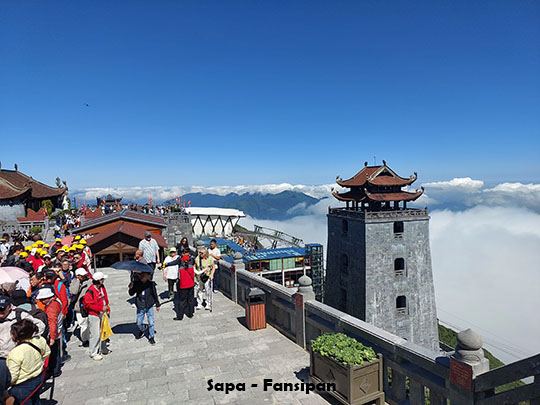
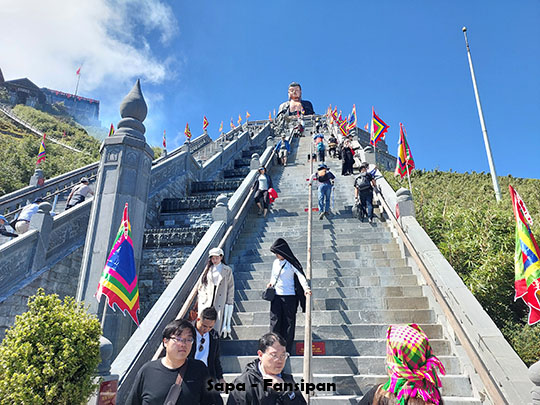
Up on the mountain, the air was fresh and the clouds were below me. I climbed another hundred steps to reach the enormous Buddha looking out over the peaks. A Buddhist ceremony was taking place inside, with incense in the air and traditional Vietnamese music drifting over the mountain. Despite the tourist attractions on the way up, the place felt holy. I wanted to linger, breathe it all in, and regretted booking the glass bridge for the same day.
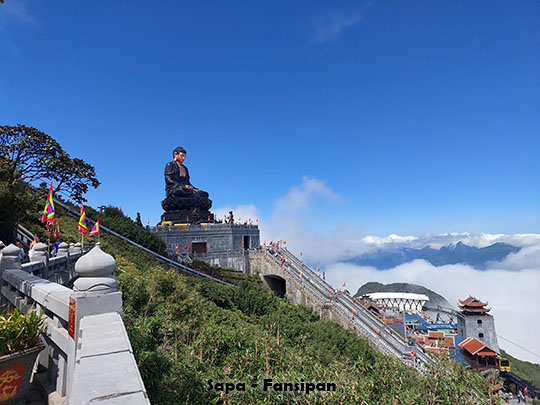
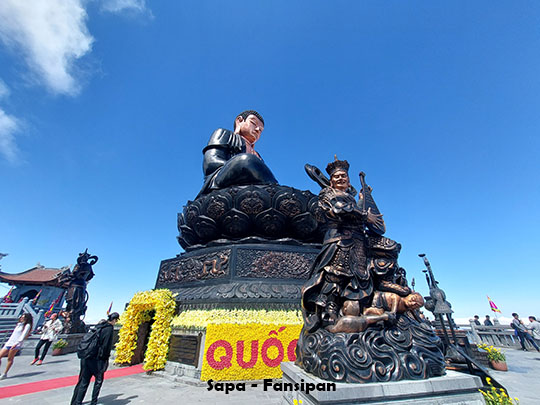
Later, I learned that you can also trek up Fansipan with a guide. That sounded interesting, although I was quite happy with my cable car.
What I Brought Home from Vietnam
I went to Vietnam for the scenery, and I got what I came for: floating beneath jungle-covered cliffs, walking through rice fields, standing above the clouds on Fansipan. But I also came home remembering the people I met, the conversations with my guides, and the locals who helped me cross the road. Traveling alone gave me the freedom to change plans, follow the cooler weather, and stay a little longer where I was happy. Keeping to the north gave me time to enjoy the places I visited, without feeling I had to see everything.